
Hermès Sued in the U.S. Over Alleged “Unfair Business Practices” in the Sale of Its Iconic Birkin Bags
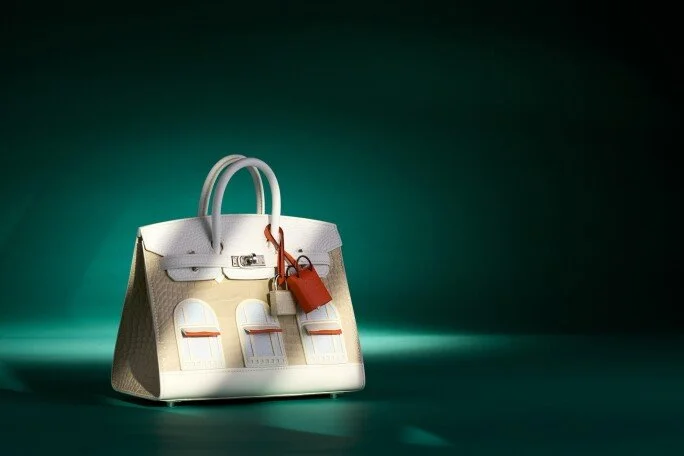
The French luxury fashion house Hermès has recently been accused of engaging in "unfair business practices" in the United States.
The allegations are directly related to the way the brand sells its highly coveted Birkin bags, according to a recently filed class-action lawsuit.
The two California plaintiffs allege that, in order to purchase a Birkin, Hermès required customers to buy other "ancillary products," including shoes, scarves, belts, jewelry, and home goods, before they were even given the opportunity to purchase the coveted handbag—which, in practice, was supposedly unavailable beforehand.
According to the lawsuit, customers must first establish a "sufficient purchase history" with the French luxury house before they can even be considered for a Birkin offer by a sales associate. Once that threshold has been met, the complaint alleges that only "customers deemed worthy" are offered a Birkin. Rather than being displayed on the sales floor, the handbags are reportedly presented in a private room exclusively to clients whom Hermès considers eligible to purchase one.
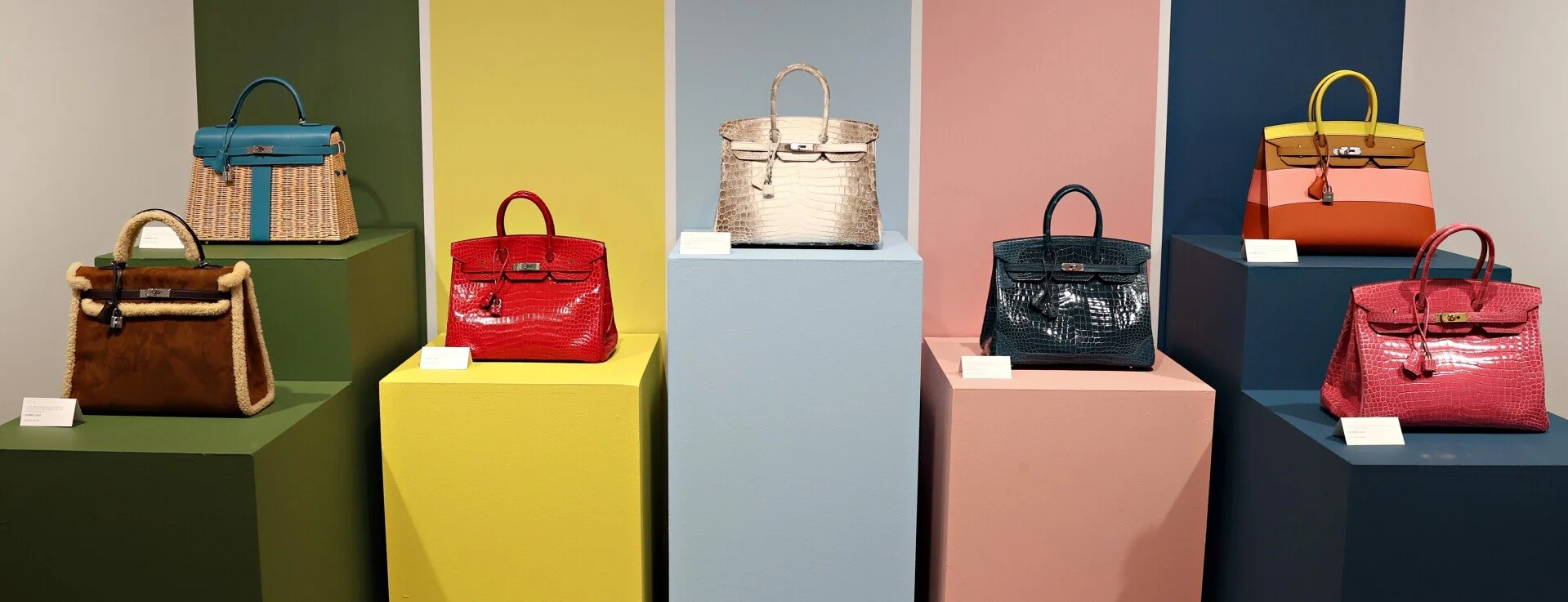
"The unique appeal, extraordinary demand, and limited supply of Birkin bags give the defendants extraordinary market power," the plaintiffs' attorneys wrote in their court filing.
The lawsuit, filed on Tuesday, alleges that Hermès' alleged customer "tying" practices violate U.S. antitrust laws. According to the complaint, the luxury fashion house devised "a scheme" to exploit its market power by requiring customers to purchase additional merchandise before becoming eligible to buy a Birkin. The plaintiffs argue that this practice has artificially driven up the value of the iconic handbag while significantly increasing the company's profits.
In addition, the plaintiffs challenge the compensation structure for Hermès sales associates. According to the complaint, employees do not receive commissions on Birkin sales but do earn commissions on ancillary products and other handbag collections. As a result, the lawsuit claims that sales associates are financially incentivized to encourage customers to purchase other product categories before offering them the opportunity to acquire a Birkin.
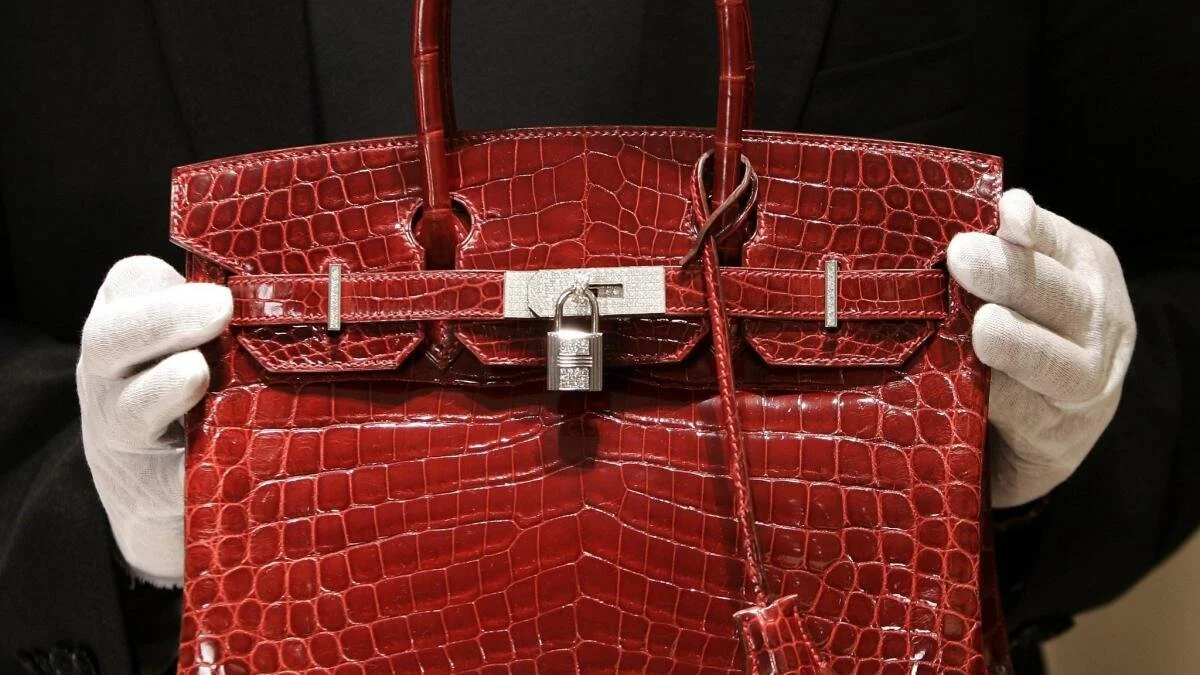
According to the U.S. Federal Trade Commission (FTC), tying sales may unlawfully restrict consumer choice by forcing buyers who wish to purchase one product to also buy a secondary item that "may be less desirable and that the buyer might not have purchased unless required to do so." Such practices, under certain circumstances, may violate U.S. antitrust laws.
One of the lead plaintiffs, Tina Cavalleri, alleges that she was "forced" to spend "tens of thousands of dollars" on other Hermès products in order to be considered for the purchase of a Birkin. According to the complaint, when she inquired about purchasing one of the iconic handbags in 2022, she was allegedly told that Birkins were reserved exclusively for "customers who have consistently supported our business."
Last year, fellow plaintiff Mark Glinoga claimed that he attempted to purchase a Birkin on several occasions but was repeatedly advised by Hermès sales associates to first buy other products from the brand before he would be offered the opportunity to acquire one.

Across Handbag Blogs and Social Media
For years, Hermès customers have reported across handbag blogs, online forums, and social media that as the brand—and demand for its iconic Birkin and Kelly bags—has continued to grow, sales associates have become increasingly selective, offering these highly coveted handbags primarily to clients with a substantial purchasing history across other Hermèsproduct categories.
Hermès has denied the allegations. "Hermès strictly prohibits the sale of one product as a condition for the purchase of another," the company stated last year. However, Chief Executive Officer Axel Dumas has acknowledged that boutiques are encouraged to carefully screen potential buyers and reserve their highly sought-after handbags for "genuine customers," as the company seeks to curb the booming resale market surrounding its products. It is true that many buyers attempt to acquire Birkin bags solely for resale, where prices on the secondary market can often reach two or even three times the original retail price. If you are considering purchasing a pre-owned or pre-loved Birkin, opting for an older model is often the better choice, as it avoids contributing to the immediate speculative resale market.

Hermès is not the only luxury brand to face allegations of this kind. Rolex authorized dealers have also been accused of requiring customers to purchase watches from sister brand Tudor before being given the opportunity to buy a Rolextimepiece.
We may be witnessing the beginning of a new chapter in the world of luxury retail. Will Hermès continue to preserve the Birkin as an ultimate symbol of exclusivity, desire, and status, or will changing market dynamics and legal scrutiny make it more accessible to a broader audience? Only time will tell.